Odor Investigation and Testing Services in New Jersey
Source Identified Before Treatment
Real-Time Instrumentation and Lab Analysis
Building Science, Not Guesswork
Trusted Odor Testing Services Helping New Jersey Building Occupants Find the Source
GreenWorks Environmental provides odor investigations across New Jersey for homeowners, property managers, and commercial building occupants dealing with a persistent bad smell no one can locate. As Building Biologists, we identify the odor source before anything is treated, because masking never holds.
An Unexplained Foul Odor Usually Means Something Is Still There
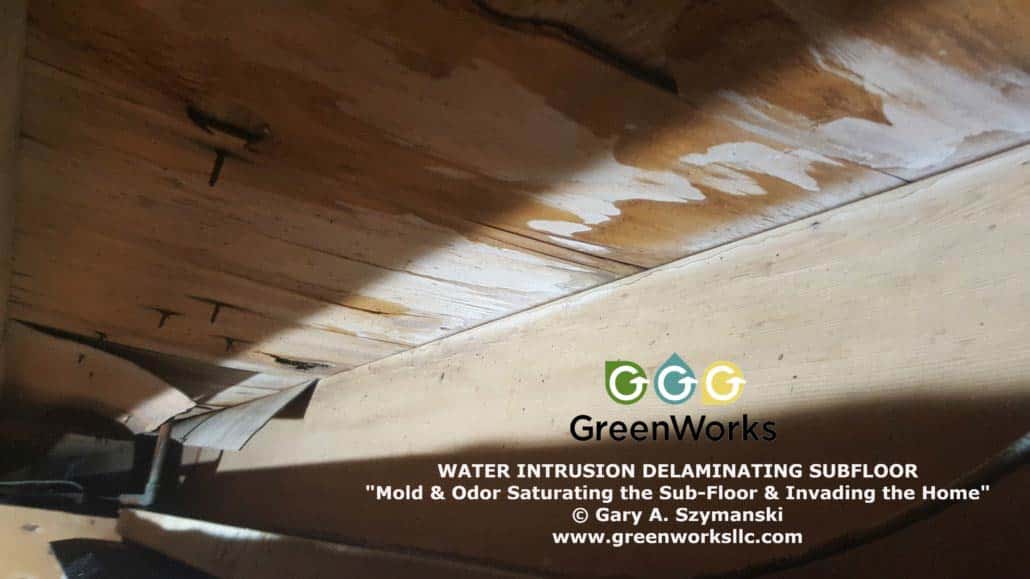
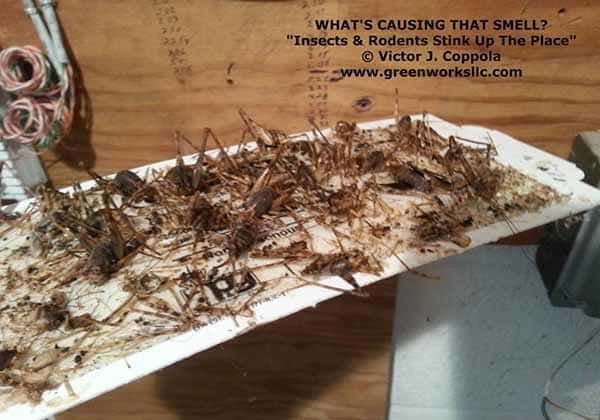
Odors are airborne compounds your nose detects, and they continue releasing until the source is removed. Odors can indicate mold growth in hidden areas, while VOCs, hydrogen sulfide, and sewage each carry their own signatures. Poor indoor air quality lowers occupant satisfaction long before anyone complains formally.
Our Odor Investigation and Testing Services
Odor testing is diagnostic work. Investigating a persistent odor requires systematically narrowing potential sources, establishing what compound is present, at what intensity, and where it originates, so remediation targets the actual problem.
Odor Source Identification
We inspect the building for water intrusion, mold growth, HVAC faults, plumbing defects, and material off-gassing. The character, intensity, and duration of an odor point toward its origin, and we document each condition under which the smell occurs before testing narrows the field.
Real-Time Instrumentation and Compound Measurement
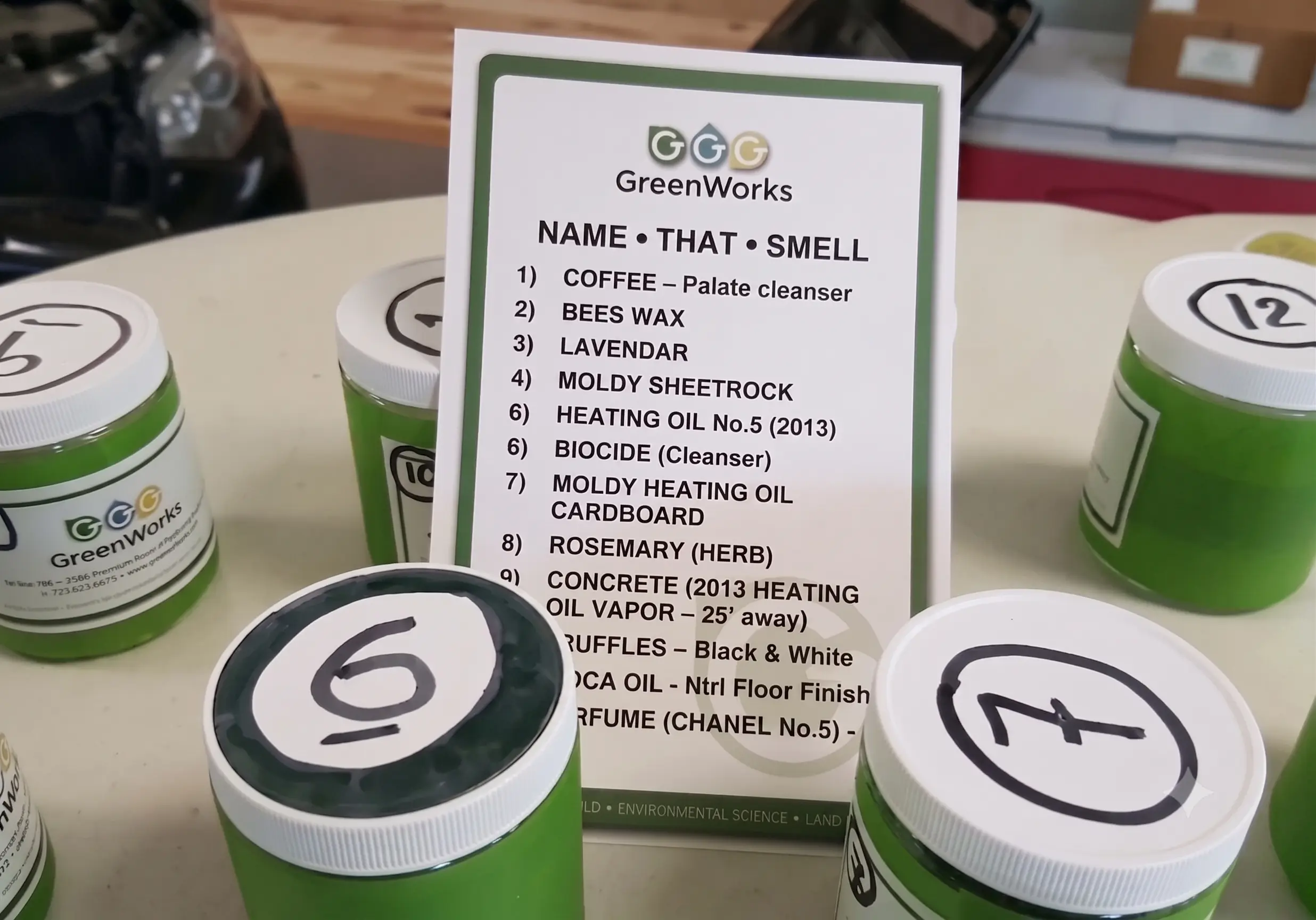
Odor assessments use real-time instrumentation to measure compound concentrations on-site. An odor threshold is the lowest concentration detectable by humans—a statistical point rather than an absolute—meaning a smell some occupants report and others do not is still real and measurable.
VOC and Chemical Off-Gassing Testing
Chemical off-gassing occurs from volatile organic compounds emitted by new paints, furniture, and cleaning products. VOCs irritate the eyes, nose, and throat with prolonged exposure. We screen for total VOCs, including formaldehyde from pressed-wood products, solvents, and off-gassing from carpets.
Mold and Biological Odor Evaluations
Mold thrives in damp, warm environments and smells earthy, old, or like wet socks. Where mold growth is suspected behind walls or under the floor, we test air and surfaces rather than judging by smell, since mildew and biological odor can also come from bacteria in carpet or a drain.
Hydrogen Sulfide and Sewage Gas Testing
Dried-out P-traps, blocked vent stacks, and damaged sewer lines release hydrogen sulfide gas, producing the characteristic rotten-egg smell. Exposure causes headaches and nausea at elevated concentrations, and the source needs confirmation rather than a surface treatment in the affected restrooms or bathrooms.
Ventilation and Carbon Dioxide Assessment
Improper ventilation lets odors accumulate indoors. Carbon dioxide levels indicate ventilation adequacy in buildings, and ASHRAE Standard 62.1 specifies the applicable rates. Where ventilation is the problem, no amount of cleaning will fix the space.
Why Choose GreenWorks for Odor Testing
Our Odor Evaluation Process
STEP 01
Occupant Interview
Odor evaluations begin with interviews with affected individuals. We ask when the smell appears, where it is strongest, whether it is constant or intermittent, and what symptoms occupants report. Intermittent odors often point to a mechanical or weather-driven cause.
STEP 02
Building Walkthrough
Indoor air quality investigations examine plumbing, HVAC system operation, moisture, mold, and potential pollutant pathways through walls and wall cavities. Relative humidity and temperature readings are taken by area, since both affect odor intensity and perception.
STEP 03
Instrumentation and Sampling
Real-time instrumentation measures compound concentrations on-site. Where confirmation is needed, air and surface samples go to accredited laboratories for analysis rather than being judged by observation alone.
STEP 04
Findings and Source Determination
You receive a report identifying the compound, its concentration, its likely source, and any health effects associated with exposure at the levels found. Where the finding is ambiguous, we say so rather than assigning a cause we cannot support.
STEP 05
Recommended Corrective Action
The report specifies what removal, remediation, or ventilation correction the finding calls for. Where remediation services are needed, the scope is detailed enough to hand to a contractor directly.
What People Are Saying About Us
Still Chasing a Smell You Cannot Find?
An unexplained odor is information. Call GreenWorks Environmental and we will measure what is actually in the air rather than guessing at it.
Areas We Serve
Frequently Asked Questions
GreenWorks Environmental is Trusted & Certified
Our Building Biologists understand not only the science of the built environment but also how it collides with the natural one.



Recent Articles
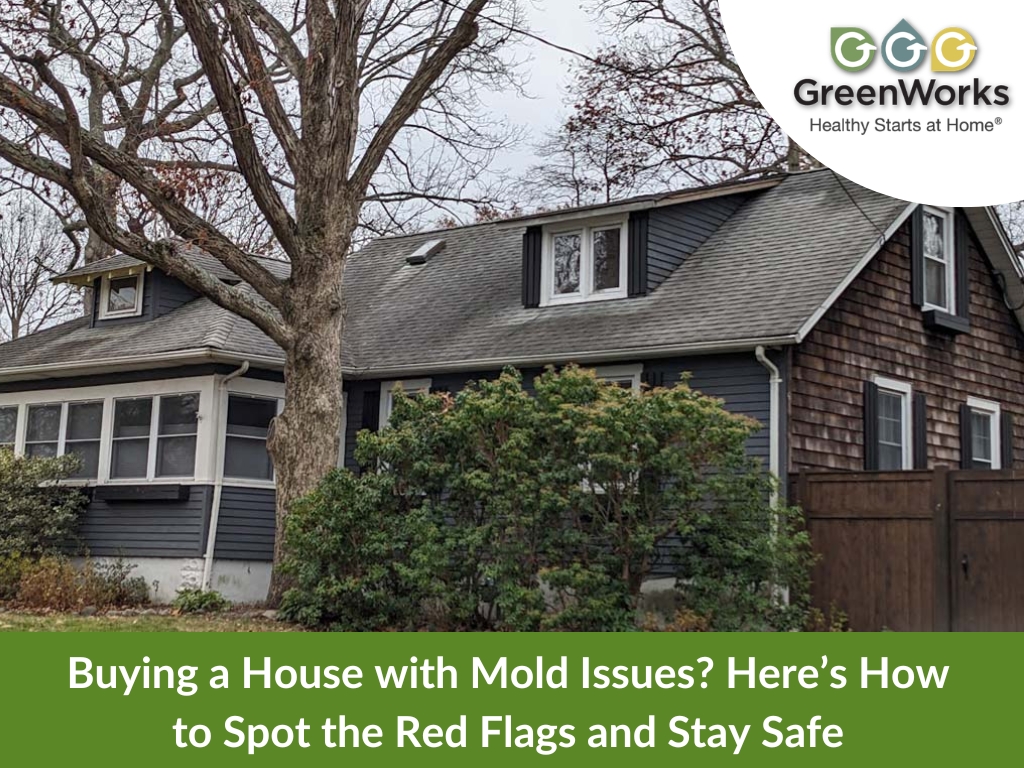
Buying a House with Mold Issues? Here’s How to Spot the Red Flags and Stay Safe
By Victor Coppola |
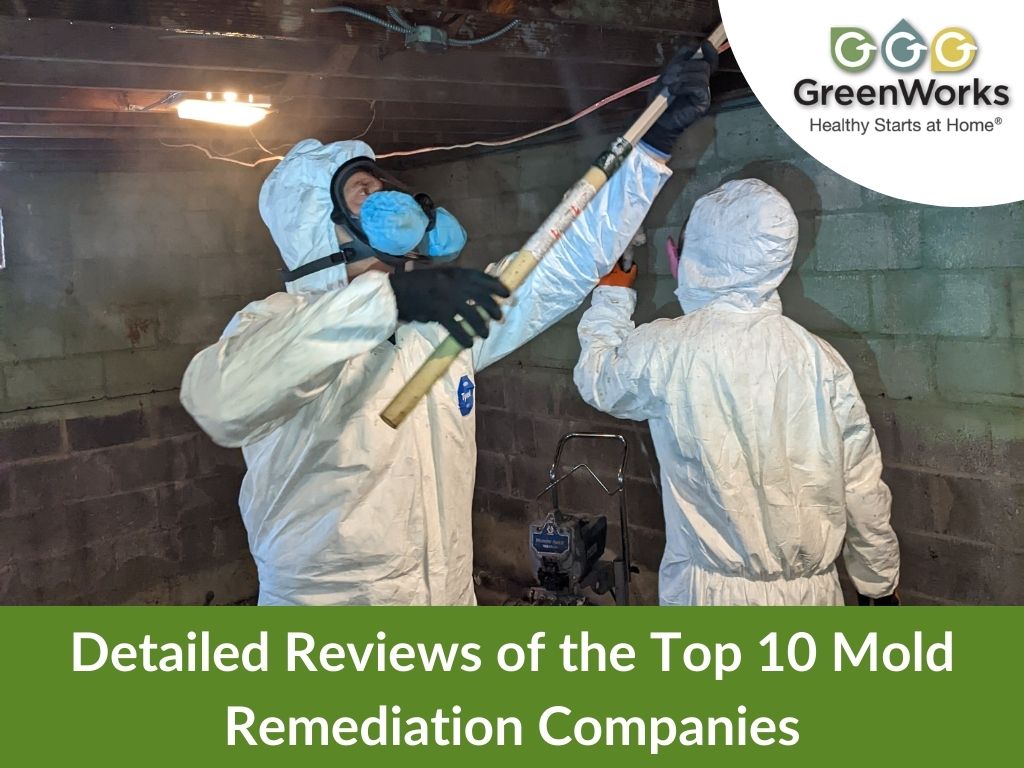
Detailed Reviews of the Top 10 Mold Remediation Companies
By Victor Coppola |
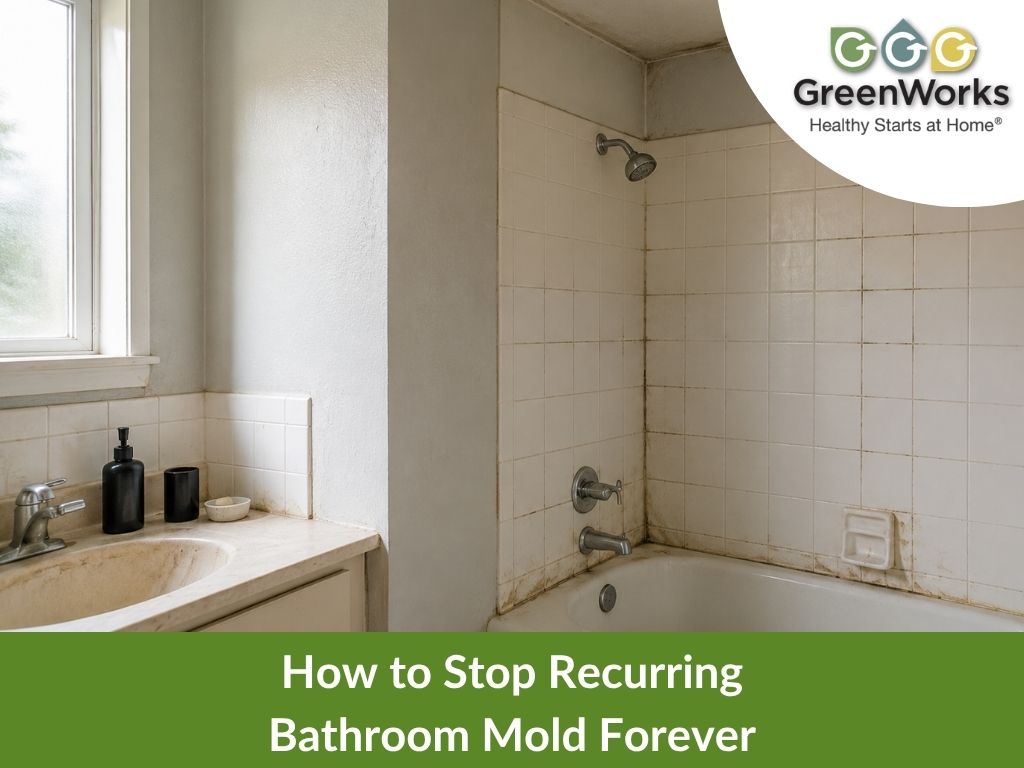
How to Stop Recurring Bathroom Mold Forever
By Victor Coppola |
Find Out What You Are Actually Smelling
Stop treating a symptom you have not identified. GreenWorks Environmental measures what is in the air and tells you where it comes from, for any home or building in New Jersey.