
New Jersey's Mold Removal and Remediation Expert
If you’ve Got Mold, the first thing to do is “Don’t Panic”! Mold is one of the most common living organisms on the planet. As we become more informed about our environment, many people are surprised to learn that they have been living with mold for years.
But that doesn’t mean we have to live with it in our home. When mold invades your home and the normal fungal ecology gets out of hand, you can be faced with property damage and ill health effects. So start by asking questions.
Does Mold Have You Worried?
Take control of your environment
Mold Works
GreenWorks understands mold & how it interacts with your indoor environment. This is crucial in addressing mold and in maintaining a healthy home environment. Mold is associated with a food source and a moisture trigger like a damp basement or crawl space, foundation water stains, re-current water leaks, musty odors and poorly ventilated attics.

The Following Are Considerations Taken into Account on Every Mold Remediation Project:
A. Mold Assessment
Often a separate “remediation plan” is provided clearly defining the scope of work to be completed, the moisture source to be corrected, acceptable mold levels, what is included and not included in the overall scope of work of the project.
B. Permits
Are responsibility of the homeowner unless included in the proposal.
C. Personal Protective Equipment (PPE)
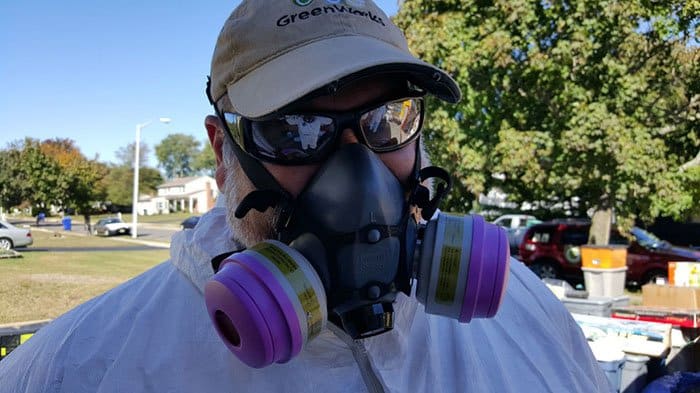
Environmental technicians typically wear PPE including: Tyvek Suits, Booties N-95 Respirator, Eye protection and gloves
D. Containment/Site Bio-Security
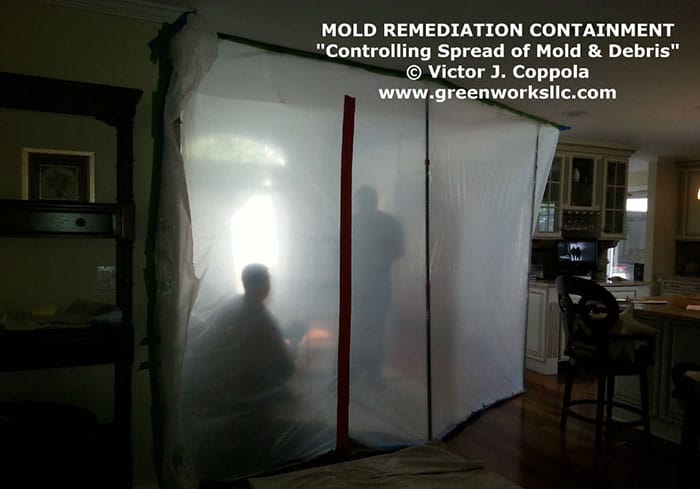
May be erected to control contaminated area(s) and cross-contamination of non-contaminated areas. Typically consists of a plastic barrier equipped with a negative air machine and/or air scrubbers / fans to aide in controlling airborne mold spores which are filtered from the air and ejected to outside the structure. Note: containment must not be broken by anyone other than GWE personnel without authorization from GWE at any time for any reason.
E. Demolition
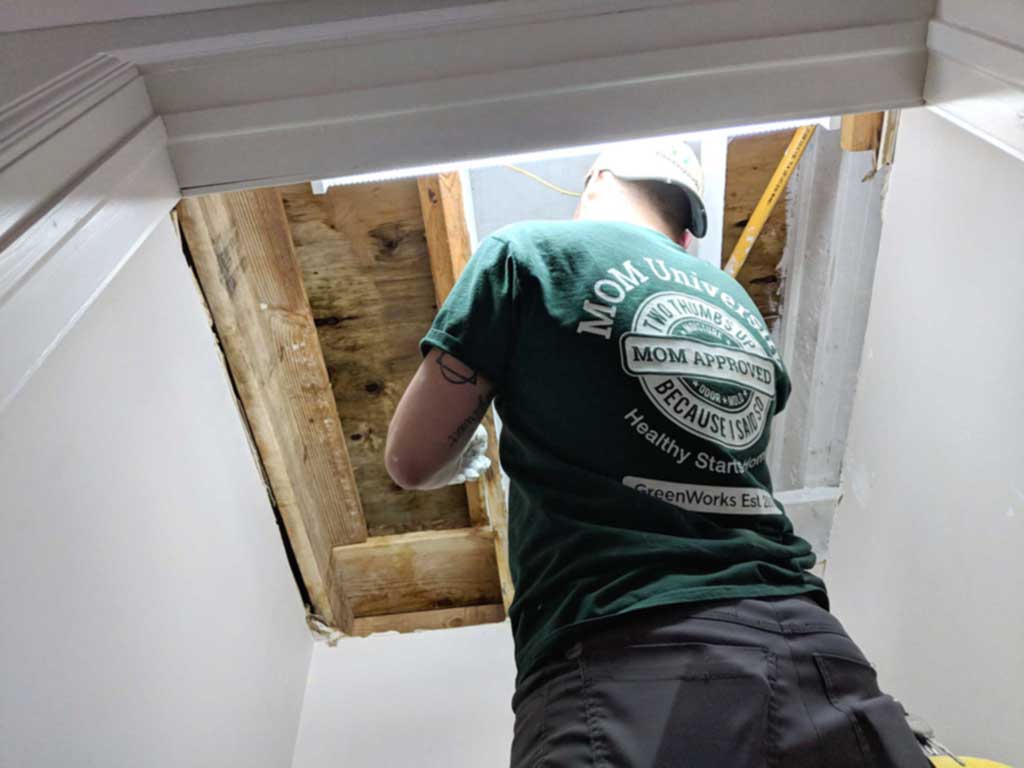
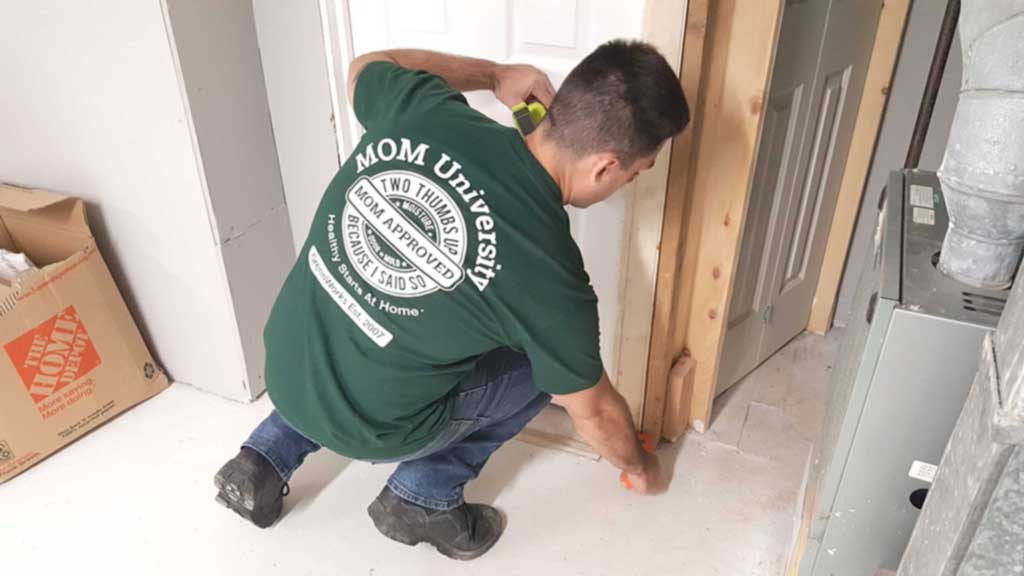
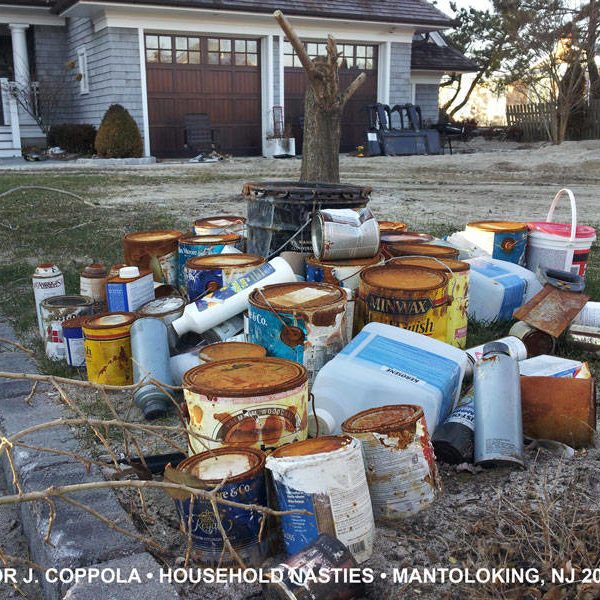
Mold damaged contents are usually removed / disposed of and can include: sheetrock, carpet, plywood, insulation, wood floors, cardboard, furniture or other porous materials.
F. Structure Protection
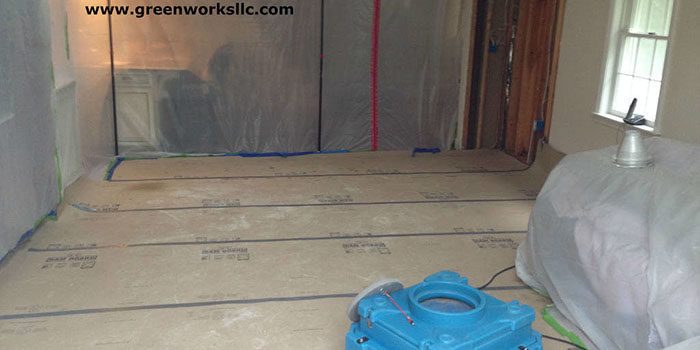
Points of ingress / egress into the structure (floors, carpeting, walls, etc.) are often protected with use of: Ram Board (or similar material), padding, plastic, adhesive floor coverings, etc.
G. Content Management
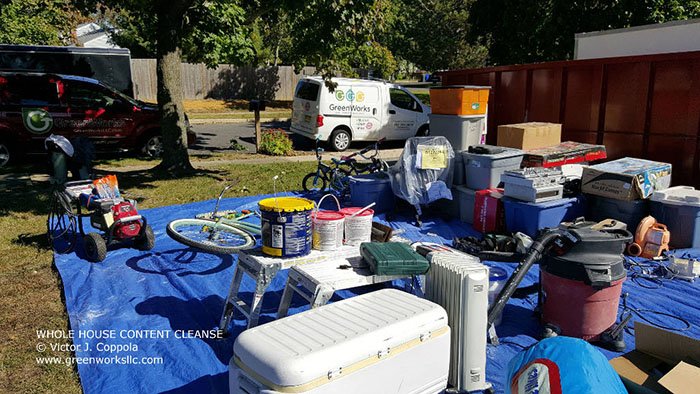
Wipe down through standard industry protocol all Non porous and any semi porous materials. Properly discard any affected materials that cannot be properly cleansed. Fees clearly outlined in proposal.
H. Debris Disposal Area
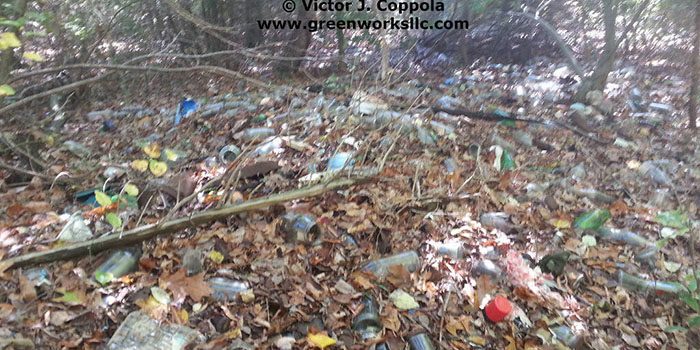
Often involves a dedicated staging area that is established where debris containers, storage boxes, etc. are set up.
I. Mold Remediation
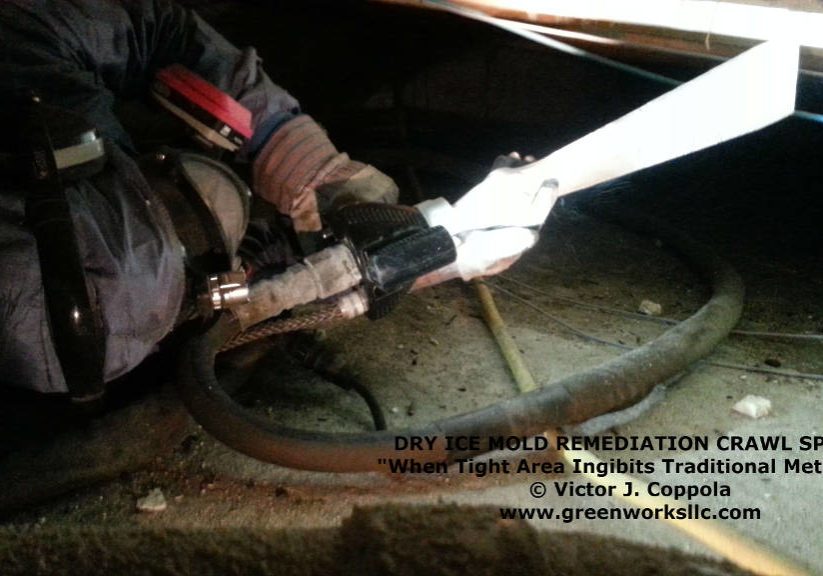
Either traditional or modern techniques may be employed on a mold remediation depending on type and size of project, client health issues and medical suggestions. Traditional methods often involve a combination of area wipe downs with an antimicrobial solution (chemical biocide) / hydrogen peroxide / ammonia / vinegar / Tyme / Lemon Juice with wire brush scrubbing of stubborn areas with HEPA vacuuming. Modern techniques may involve: chemicals (sodium hypochlorite), blasting (Dry Ice, Soda, Sand, Water), ozone, UV Light, structural pasteurization (Heat), enzymes, fogs, etc.
J. Biocides
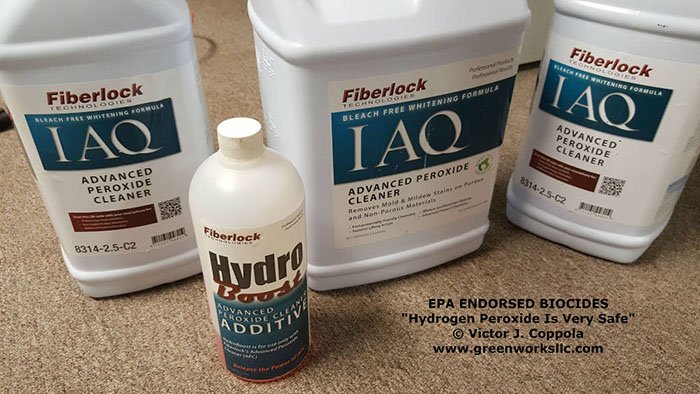
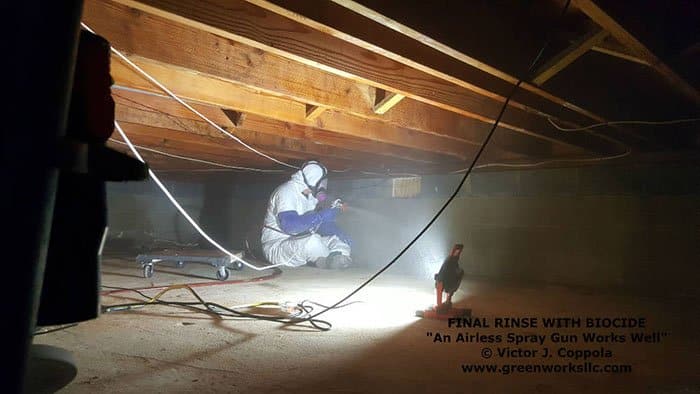
GWE regularly uses EPA endorsed Biocides and Fungicides such as: RMR (Sodium Hypoclorite), Shockwave, Concrobium, etc. which are typical with this type of work. Should a chemical sensitivity be an issue, other non-chemical Biocides will be used.
K. Fogging
Mechanical fogging with Natural based mold inhibitor such as and not limited to Thymeoil is often employed after bulk of intensive remediation has been completed
L. Encapsulant
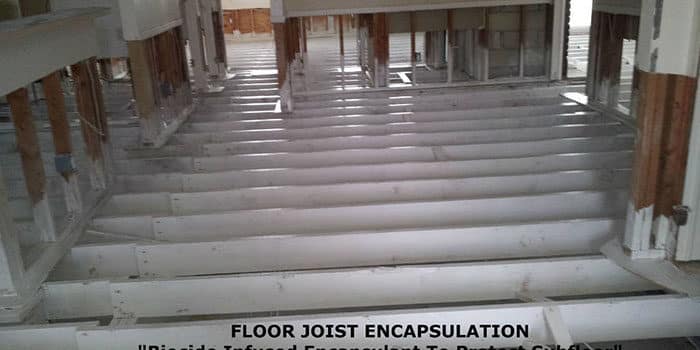
Sometimes, the use of a mold inhibiting paint (encapsulant) may be employed where client would be advised in advance.
M. HVAC System
Seal off all supply lines/ registers and returns in affected area. GWE recommends that ducts be remediated per National Air Duct which is not part of the remediation proposal
N. Air Scrubbing
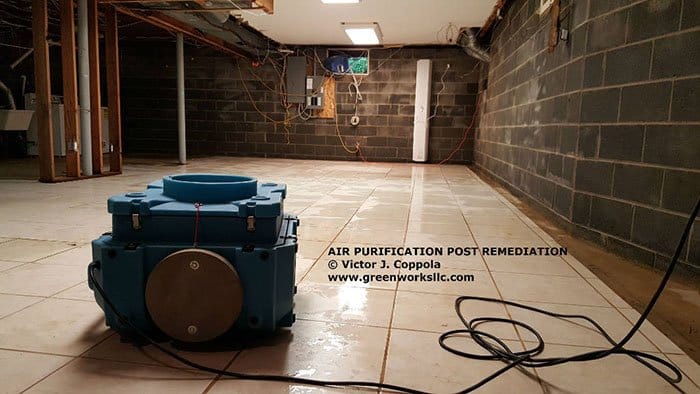
Use HEPA filtration units vented to the outside of work space.
O. Site Manager
GWE assigns a Project Manager (PM) who is point person for all questions regarding the remediation. Technicians are not to be asked questions as they are not familiar with all aspects of the project.
P. Communication
PM is point person for daily processes, keeping Clients / occupants informed of the process and any changes to the protocol (all changes to be in writing).
Q. Adaptive Protocols
Every structure, client and occupant all have different / unique needs. GWE will strive to ensure the remediation plan enacted is the best plan for your situation where last minute changes are to be expected.
R. Air Cleansing / Dewatering
After remediation is completed, area to be left with air scrubbers / fans and / or dehumidifiers for a minimum of three (3) days to ensure site has adequately dried and airborne particulates and mold spores have been cleansed from the air. PM will periodically visit site, check moisture levels and adjust duration as needed.
Frequently Asked Questions
 Remodeled homes often wind up concealing a lot of the clues we look for when we assess for mold, making the issues often difficult to find. Take for instance, an older 1940's home recently renovated where the attic was converted to a master bedroom (now we can't see the underside of the roof), and the rear porch was enclosed (has an inaccessible crawl space and enclosed cathedral ceiling with failing ridge vent). More time and some invasive investigating / sampling are often necessary.
 Scrubbing molded areas with a detergent and water and then drying the area thoroughly often works for small areas of mold.
 Yes! Mold is a natural part of our environment where we like to see normal fungal ecology. But so are bears, ticks, and poison ivy. You wouldn’t want to see any of them in your house now, would you? The same goes for mold, and there are some that we don’t want to see in our homes at any level due to the potential health risks.
 Cleaning mold often does not address what is causing the mold to grow in the first place. And that’s what we call the “Moisture Trigger.” While we often think of moisture as a “puddle,” in this case, molds don’t like puddles, and they like elevated humidity, which is hard to detect on your own. Better call a mold pro.
 While the State of New Jersey does not require any specific certifications, anyone you work with should have an NJHICL & proper general liability insurance. There are numerous mold certification firms that offer training; any contractor you work with should have mold training and participate in ongoing continuing education.
 We are all going to die (eventually). But there are no known documented death’s from mold toxicity that we are aware of. But the young, old, and immuno-compromised individuals are more susceptible to mold-related illnesses.
 Mold is a product of hydrology, humidity, and moisture. Was the source of water that caused the mold addressed as part of your remediation? We know that mold and water go hand in hand. If your environment’s hydrology is not managed correctly, the mold will return. We have Certified Hydrologists on staff to ensure that the water source is appropriately addressed to ensure any future mold growth is mitigated.
What People Are Saying About Us
GreenWorks Environmental is Trusted & Certified
Our Building Biologists understand not only the science of the built environment but how it collides with the natural one.


Learn More About Mold, Indoor Air Quality, and Environmental Compliance

Everything You Need to Know About Mold Certification vs Licensing
Effective Solutions for Eliminating Basement Musty Smells and Preventing Mold Growth
The Ultimate Guide to Testing Your Indoor Air Quality
Does Mold Have You Worried?
Take control of your environment.
